
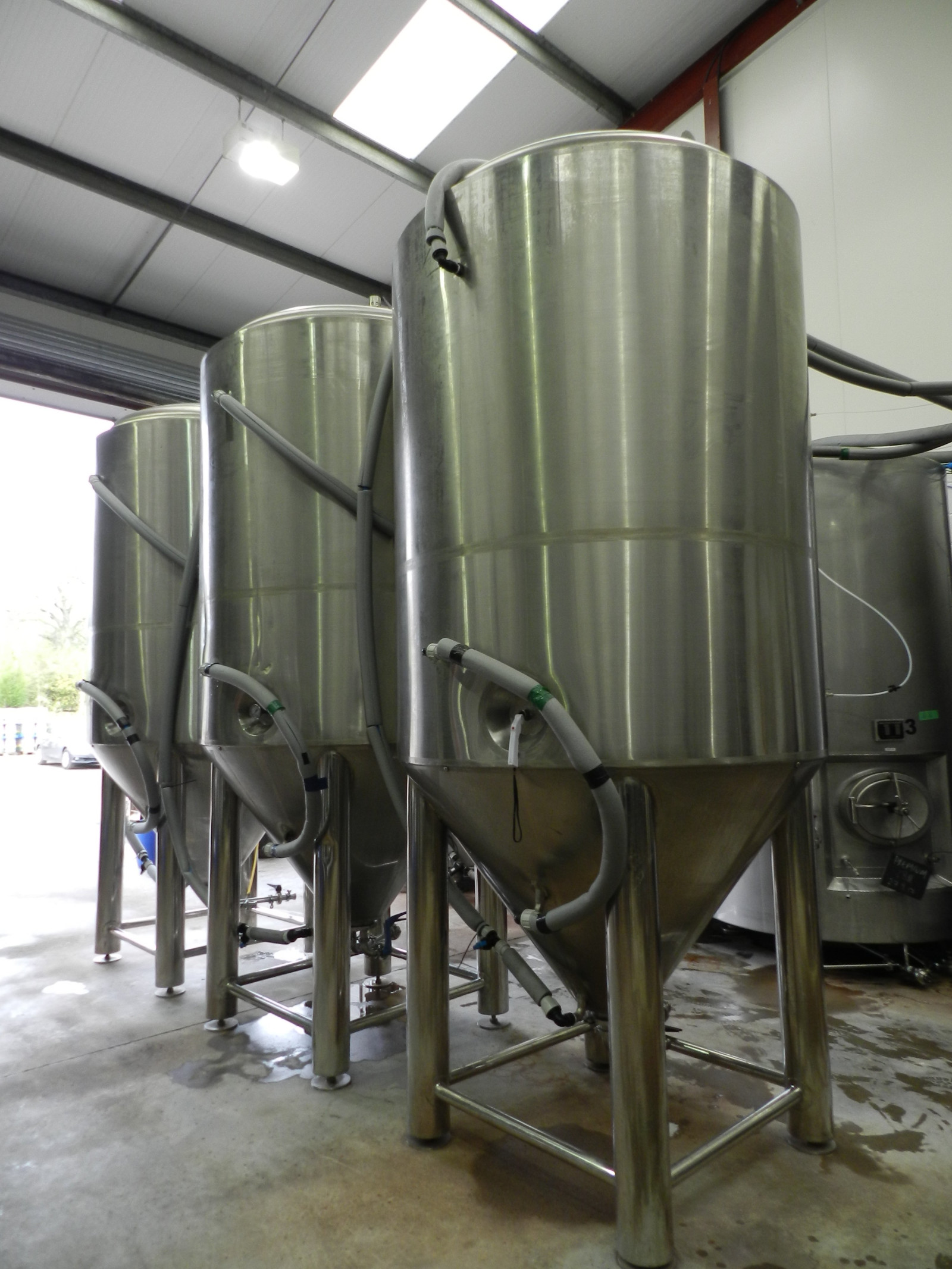
Breweries rely on compressed air throughout the production process, from fermentation and product transfer to packaging and cleaning operations. Nitrogen is also widely used for purging tanks, preventing oxidation and maintaining product quality.
While compressors and nitrogen generators often receive most of the attention, the quality of the air being delivered is just as important. Without effective air treatment, contaminants such as moisture, oil and solid particles can enter the system, creating risks for both equipment and the finished product.
How breweries depend on compressed air and nitrogen
Compressed air and nitrogen are essential utilities within modern brewery operations, supporting everything from production and packaging to quality control.
Compressed air is commonly used to power pneumatic valves and actuators, operate bottling and canning equipment, control instrumentation, and support cleaning processes throughout the brewery. A reliable supply of clean, dry compressed air helps ensure equipment operates efficiently while reducing the risk of contamination and downtime.
Nitrogen also plays a critical role in brewing, particularly where oxygen exposure must be minimised. It is often used for tank blanketing, vessel purging, product transfer, and packaging applications.
One of nitrogen’s key benefits is its ability to reduce oxidation. If beer comes into contact with oxygen during production or packaging, it can negatively affect flavour, aroma, freshness, and shelf life. By creating an inert atmosphere, nitrogen helps protect product quality and maintain consistency from brewing through to packaging.
Together, compressed air and nitrogen help breweries maintain efficient operations, protect product quality, and deliver a consistent final product to customers.
What happens when air quality is overlooked?
Compressed air contains contaminants that become concentrated during compression. Without proper treatment, these can affect both product quality and equipment performance.
Moisture
As compressed air cools, water vapour condenses into liquid water. Excess moisture can cause corrosion, damage pneumatic equipment, encourage bacterial growth, and impact product consistency.
Oil Contamination
Oil can enter the system from compressor lubricants or the surrounding environment. Even small amounts can affect product taste and quality, contaminate processes, and create compliance concerns.
Solid Particles
Dust, dirt, rust, and pipe scale can enter compressed air systems and cause blockages, increase equipment wear, and contaminate packaging operations.
Effective air treatment helps remove these contaminants, protecting both brewery equipment and the quality of the final product.
Why air treatment is essential in brewing
Clean, dry compressed air is critical in brewery environments where product quality and operational reliability are key. Installing effective air treatment helps remove harmful contaminants, protecting both brewing processes and the equipment that keeps production running smoothly. It’s not just about protecting equipment, it’s about preserving the flavour and safety of your beer.
Key air treatment solutions for breweries
Compressed Air Dryers
Compressed air dryers remove moisture from the air supply, helping breweries maintain consistent air quality and protect downstream equipment. The type of dryer required will depend on the application, with refrigerated dryers suited to general brewery use and desiccant dryers providing lower dew points where required.
Compressed Air Filters
Filters play a vital role in removing contaminants from compressed air systems. By capturing particles, oil aerosols, and other impurities, filtration helps protect products, packaging equipment, and critical production processes from contamination.
Condensate Drains
Condensate drains automatically remove collected moisture from receivers, filters, and other system components. This helps maintain system efficiency, reduce corrosion risks, and prevent water from re-entering the compressed air network.
Air Receivers
Air receivers store compressed air and help balance fluctuations in demand across the brewery. They improve pressure stability, reduce compressor cycling, and support more efficient system operation.
Aftercoolers
Aftercoolers reduce the temperature of compressed air immediately after compression. By cooling the air, moisture can be removed more effectively before it reaches downstream dryers and filtration equipment, helping improve overall air treatment performance.