
When investing in a new air compressor, it’s easy to focus on one figure: the purchase price. But the cheapest compressor to buy isn’t necessarily the most cost-effective compressor to own.
Your compressor could be operating for thousands of hours each year, so the initial investment is only one part of what it will cost your business over its working life. Energy consumption, maintenance, servicing and the efficiency of the wider compressed air system all need to be considered.
This is why two compressors with different price tags shouldn’t necessarily be compared on purchase price alone.
Before making a decision, here are seven things worth considering.
1. Energy consumption
Start with one of the biggest ongoing costs: electricity.
Generating compressed air requires energy, and even relatively small differences in efficiency can add up when a compressor is running for thousands of hours.
This means a compressor with a lower purchase price could ultimately cost your business more if it consumes significantly more electricity.
When comparing compressors, don’t just ask:
“How much does it cost to buy?”
Also ask:
“How much will it cost to run?”
2. Is the compressor correctly sized?
Choosing a larger compressor might seem like the safer option, particularly if you expect your production to grow.
But bigger isn’t always better.
An oversized compressor can operate inefficiently and leave you paying for capacity you rarely use. Whereas an undersized compressor can struggle to keep up with demand.
Understanding your required flow, pressure and usage patterns will help ensure you’re investing in a compressor that suits your actual business requirements.
If compressor coolers are dirty or airflow around the machine is restricted, these issues become even more noticeable.
During the summer months, it’s common for our engineers to find blocked coolers, restricted ventilation or compressor rooms that simply become too hot for equipment to operate efficiently.
3. Fixed speed or variable speed?
How your compressed air demand changes throughout the day can influence which compressor technology is most suitable.
A fixed-speed compressor can be a good option where air demand is relatively consistent.
Where demand regularly rises and falls, a variable speed drive (VSD) compressor can adjust its output to better match the amount of compressed air required.
A VSD compressor may have a higher initial purchase price, but in the right application, reduced energy consumption can make the additional investment worthwhile.
4. What air treatment do you need?
The compressor itself will only be part of the system you need.
Depending on your application and required air quality, you may also need dryers, filtration, air receivers and condensate management equipment.
These aren’t simply optional extras. Correct air treatment helps protect your equipment, processes and end product from problems caused by moisture, oil and contaminants.
When comparing prices, make sure you understand whether you’re looking at the cost of a compressor alone or a complete compressed air solution.
5. What does installation involve?
A new compressor needs to work effectively as part of your wider compressed air system.
Installation costs can vary depending on your existing pipework, electrical supply, ventilation, drainage and compressor room.
Simply choosing the cheapest machine without considering how it will integrate with your site could result in additional costs later.
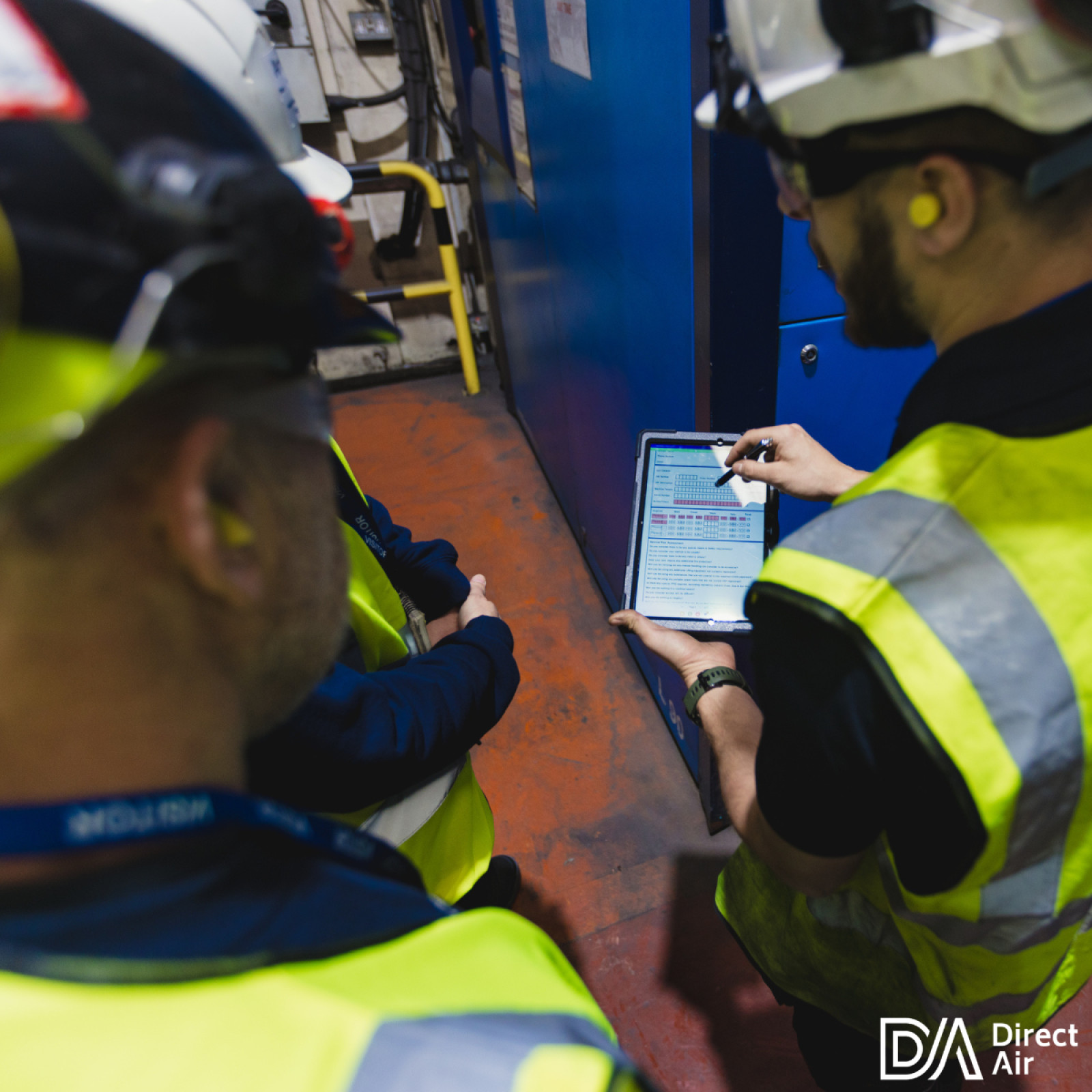
A proper site assessment can help identify these requirements before you invest.
6. Maintenance and servicing
Your costs don’t stop once the compressor is installed.
Regular servicing helps maintain efficiency, reliability and performance throughout the compressor’s working life.
Before purchasing, consider the recommended service intervals, replacement parts, warranty and ongoing maintenance costs.
For businesses that rely on compressed air for production, also consider the support available if something goes wrong. The cost of lost production can quickly outweigh the saving made by choosing a cheaper compressor.
7. The total cost of ownership
Ultimately, the figure worth considering isn’t simply what you’ll pay for the compressor today.
It’s what the compressor will cost your business throughout its working life.
Purchase price, electricity, maintenance, servicing and potential downtime all contribute to the total cost of ownership.
So, when you’re comparing two compressor quotations, a lower upfront price doesn’t automatically mean better value.
The better question is:
Which compressor will provide the compressed air we need reliably and efficiently at the best overall cost?
Looking for a new air compressor?
If you’re considering replacing an existing compressor or investing in a new compressed air system, getting the specification right from the start is important.
At Direct Air, we can assess your compressed air requirements and recommend a solution based on your demand, application and operating conditions, rather than simply supplying a compressor based on its purchase price.
Speak to our team about your compressed air requirements.