
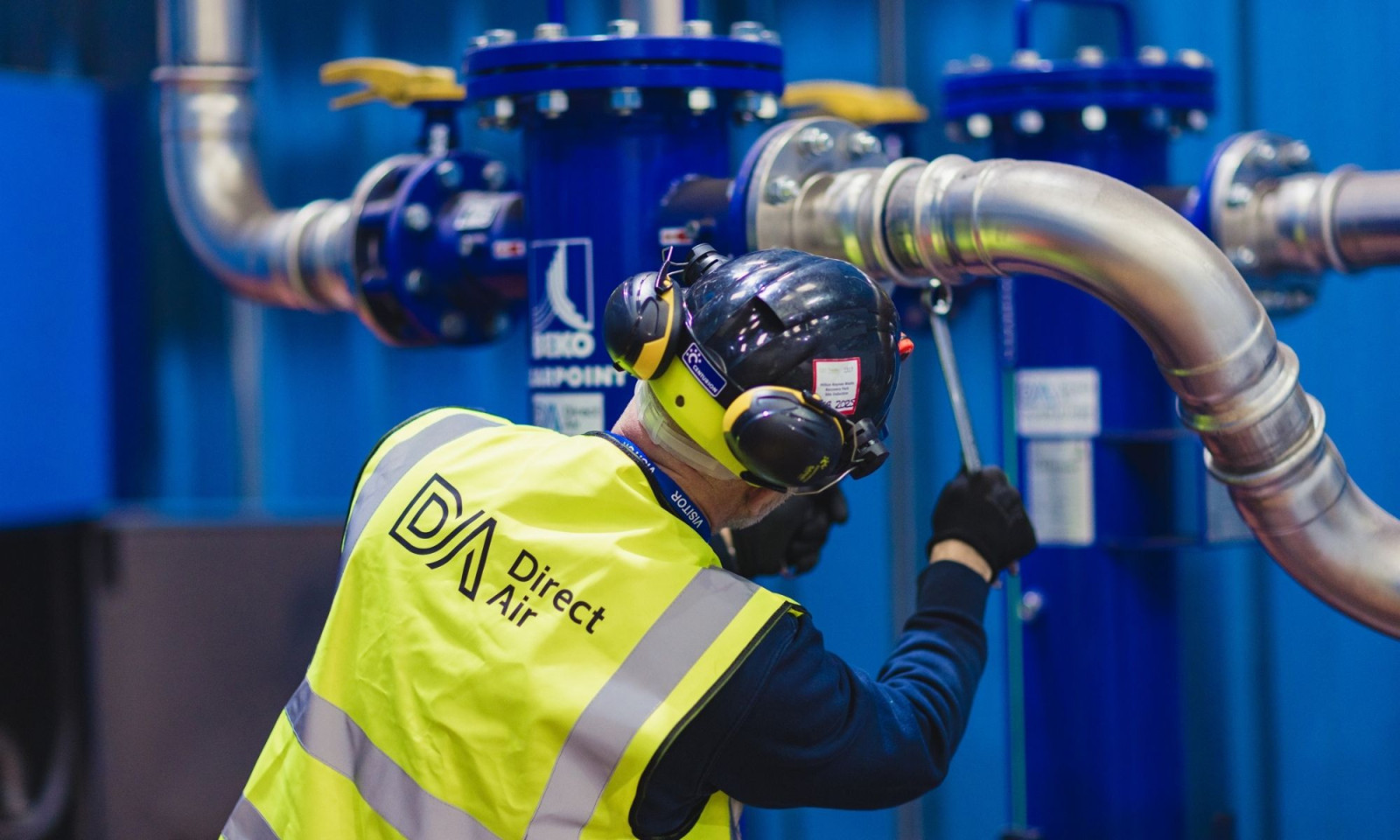
Compressed air systems are only as good as the way they’re installed. You can have the right equipment on paper, but if the installation isn’t planned and executed properly, you’ll see it in higher energy costs, pressure issues, and ongoing maintenance problems.
A well-executed installation reduces downtime, improves system performance, and keeps long-term running costs under control. Here are five practical ways to improve compressor installation efficiency from day one.
1. Plan the Layout Properly
Most inefficiencies start before the install even begins.
Compressor positioning, pipe routing, and access space all need to be considered upfront. The goal is to keep pipe runs as short and direct as possible while allowing enough room for servicing and ventilation.
Poor layout decisions often lead to unnecessary pressure drop, restricted airflow, and difficult maintenance access later on.
Getting this right early saves time during installation and avoids costly changes down the line.
2. Size the Whole System Correctly
It’s not just about the compressor. The entire system needs to be sized to match demand.
That includes:
- Pipework diameter
- Air receiver capacity
- Dryers and filtration
Undersized systems struggle to maintain pressure, especially during peak demand. Oversized systems waste energy and increase running costs.
A properly sized system gives you stable pressure, better efficiency, and room to grow if demand increases.
3. Use the Right Pipework and Materials
Pipework plays a major role in both installation speed and long-term performance.
Modern aluminium systems, for example, are quicker to install, easier to modify, and far less prone to leaks compared to traditional steel pipework.
Fewer joints and better-quality connections reduce installation time and minimise the risk of future air leaks.
The result is a cleaner install and a more efficient system over its lifetime.
4. Reduce Pressure Drop from the Start
Pressure drop is one of the most common and costly issues in compressed air systems.
It’s often caused by:
- Long pipe runs
- Sharp bends
- Incorrect pipe sizing
Designing the system to minimise resistance keeps pressure levels stable and reduces the load on the compressor.
Even small reductions in pressure drop can have a noticeable impact on energy consumption and system performance.
5. Make Maintenance Easy
Installation efficiency isn’t just about how quickly the system goes in. It’s about how easy it is to maintain over time.
Simple considerations make a big difference:
- Clear access to key components
- Isolation valves for servicing
- Logical system layout and labelling
If maintenance is straightforward, it gets done on time. That reduces the risk of breakdowns and keeps the system running efficiently.
Final Thoughts
An efficient compressor installation sets the foundation for everything that follows. It reduces energy costs, improves reliability, and makes ongoing maintenance easier.
Taking the time to plan the layout, size the system correctly, and use the right materials will always pay off in the long run.
If you’re reviewing an upcoming installation or upgrading an existing system, it’s worth getting these fundamentals right from the start.