
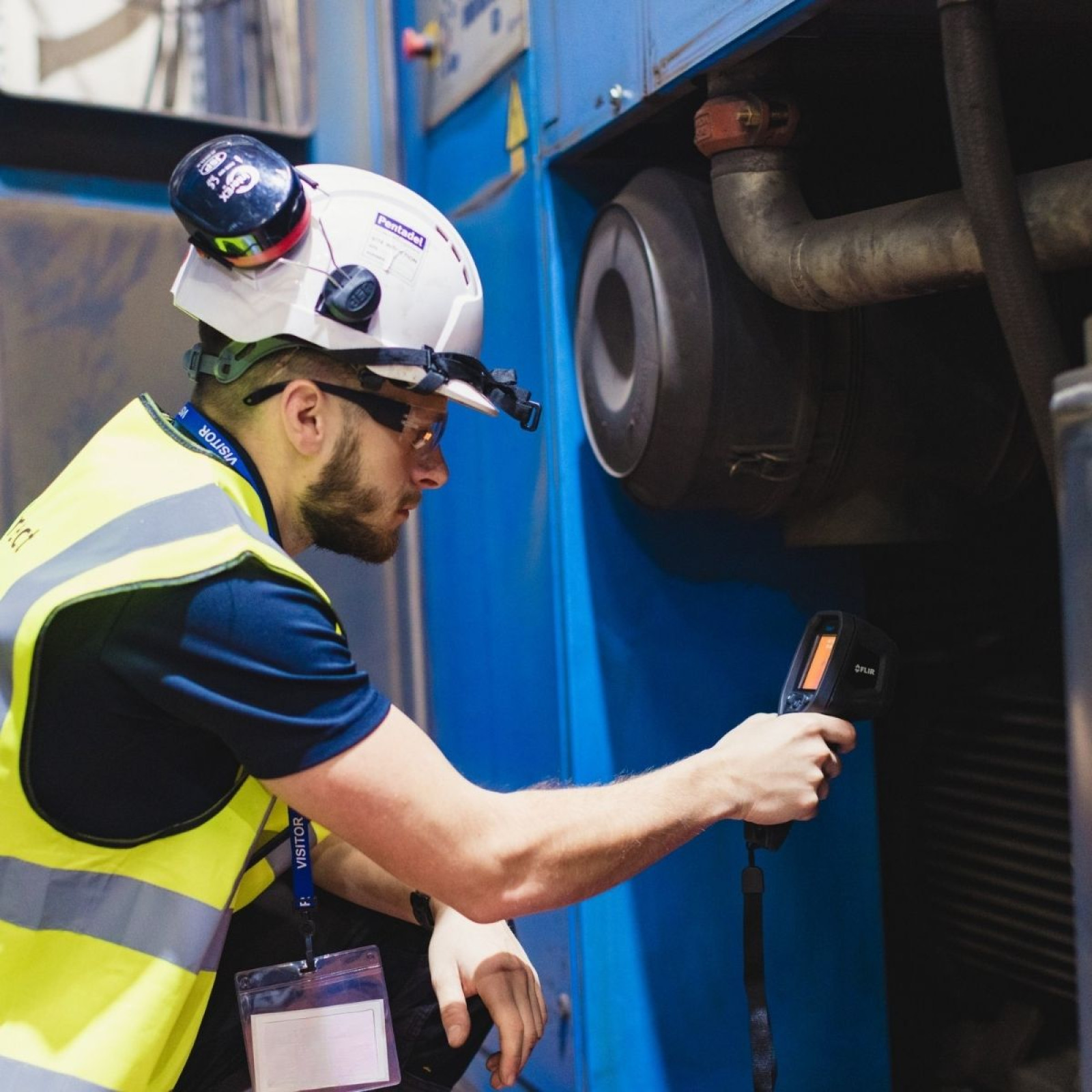
When temperatures rise, it's not just your workforce or production processes that feel the effects. Your compressed air system does too.
Hot weather can place additional strain on compressors and air treatment equipment, leading to reduced efficiency, increased energy consumption and, in some cases, costly downtime.
Whether you’re running a single compressor or a complete compressed air system, understanding how higher ambient temperatures affect performance can help you stay ahead of potential problems.
What happens when ambient temperatures rise?
Every air compressor generates heat as part of the compression process. Under normal operating conditions, that heat is removed through the machine’s cooling system before the compressed air passes through the rest of the installation.
As ambient temperatures increase, it becomes more difficult for the compressor to reject heat. At the same time, warmer air contains more moisture, meaning your air treatment equipment has to work harder to produce the same air quality.
The result is a system that’s under greater demand, often without operators realising it until problems begin to appear.
For businesses that rely on compressed air every day, small changes in operating temperature can quickly affect productivity, reliability and running costs.
How higher temperatures affect compressors
The compressor is the heart of your compressed air system, and it’s often the first piece of equipment to feel the impact of warmer conditions.
Higher ambient temperatures can lead to:
- Increased operating temperatures
- Reduced cooling efficiency
- Higher energy consumption
- Greater stress on internal components
- Increased likelihood of high-temperature alarms or shutdowns
If compressor coolers are dirty or airflow around the machine is restricted, these issues become even more noticeable.
During the summer months, it’s common for our engineers to find blocked coolers, restricted ventilation or compressor rooms that simply become too hot for equipment to operate efficiently.
How higher temperatures affect refrigeration dryers
Refrigeration dryers play an important role in removing moisture from compressed air, but their performance is closely linked to the surrounding environment.
As ambient temperatures rise, the refrigeration circuit has to work harder to cool the compressed air to the required dew point. If ventilation is poor or condenser surfaces become dirty, performance can reduce further.
This can result in:
- Reduced moisture removal
- Higher pressure dew points
- Increased condensate within the system
- Reduced air quality
- Increased energy consumption
Equipment fitted with integrated refrigeration dryers may also experience additional heat from the compressor itself, making good ventilation and routine maintenance even more important.
How higher temperatures affect desiccant dryers
Where applications require very dry compressed air, desiccant dryers are often the preferred solution.
However, higher inlet air temperatures mean more water vapour reaches the dryer, increasing the amount of moisture the desiccant needs to remove.
As temperatures rise, this can lead to:
- Increased regeneration energy
- Higher operating costs
- Reduced drying efficiency if equipment isn’t correctly sized
- Greater demand on the entire air treatment system
On sites that regularly experience high ambient temperatures, reviewing the operating conditions of the dryer can help ensure it’s still performing as intended. In some applications, reducing the inlet air temperature before it reaches the dryer can improve efficiency and reduce energy demand.
Filters and condensate management become even more important
Hotter air doesn’t just affect compressors and dryers.
As more moisture is removed from compressed air, filters and condensate drains have more work to do.
Blocked filters increase pressure drop, forcing compressors to work harder and consume more energy.
If automatic drains aren’t operating correctly, water can remain within the system, increasing the risk of corrosion, contamination and damage to downstream equipment.
Simple maintenance checks often prevent much bigger problems later on.
Don’t overlook compressor room ventilation
One of the most common issues we see isn’t the compressor itself, it’s the environment around it.
Many compressor rooms become significantly hotter during the summer because warm air cannot escape efficiently.
Poor ventilation can cause:
- Higher compressor operating temperatures
- Reduced dryer performance
- Increased energy consumption
- Premature component wear
- More frequent high-temperature alarms
Ensuring cool air can enter the room and hot air can leave is one of the simplest ways to improve system performance during warmer weather.
Warning signs your system may be struggling
Your compressed air system will often show warning signs before a breakdown occurs.
Keep an eye out for:
- Compressors running hotter than normal
- High-temperature alarms
- Increased condensate production
- Water at point-of-use equipment
- Reduced dryer performance
- Pressure drop across filters
- Rising energy consumption
- Moisture-related production issues
Addressing these early can help prevent expensive downtime.
Practical maintenance tips for warmer weather
A few preventative checks before and during the summer months can make a significant difference.
We recommend:
- Cleaning compressor coolers and heat exchangers
- Checking compressor room ventilation
- Cleaning refrigeration dryer condensers
- Replacing blocked filter elements
- Testing automatic condensate drains
- Monitoring compressor operating temperatures
- Checking dryer performance and dew point
- Looking for anything restricting airflow around the equipment
Like most industrial equipment, compressed air systems perform best when they’re maintained before problems develop.
When should you review your system?
If your compressed air system regularly struggles during periods of hot weather, it may be time to take a closer look.
This doesn’t necessarily mean replacing equipment.
Sometimes improving ventilation, reviewing air treatment, carrying out preventative maintenance or identifying areas of unnecessary pressure loss can make a noticeable difference to performance.
Every site is different, which is why a system review can help identify practical improvements that improve reliability, reduce energy consumption and ensure your equipment continues to meet production demands.
Keep your compressed air system performing all year round
Higher ambient temperatures are part of operating throughout the summer, but they don’t have to result in reduced performance or unexpected downtime.
By understanding how heat affects compressors, dryers and air treatment equipment, and by carrying out regular preventative maintenance, you can help keep your compressed air system operating reliably and efficiently all year round.
If you’d like to understand how your compressed air system is performing, our experienced engineers can carry out a system assessment, identify any areas of concern and recommend practical improvements tailored to your site.