
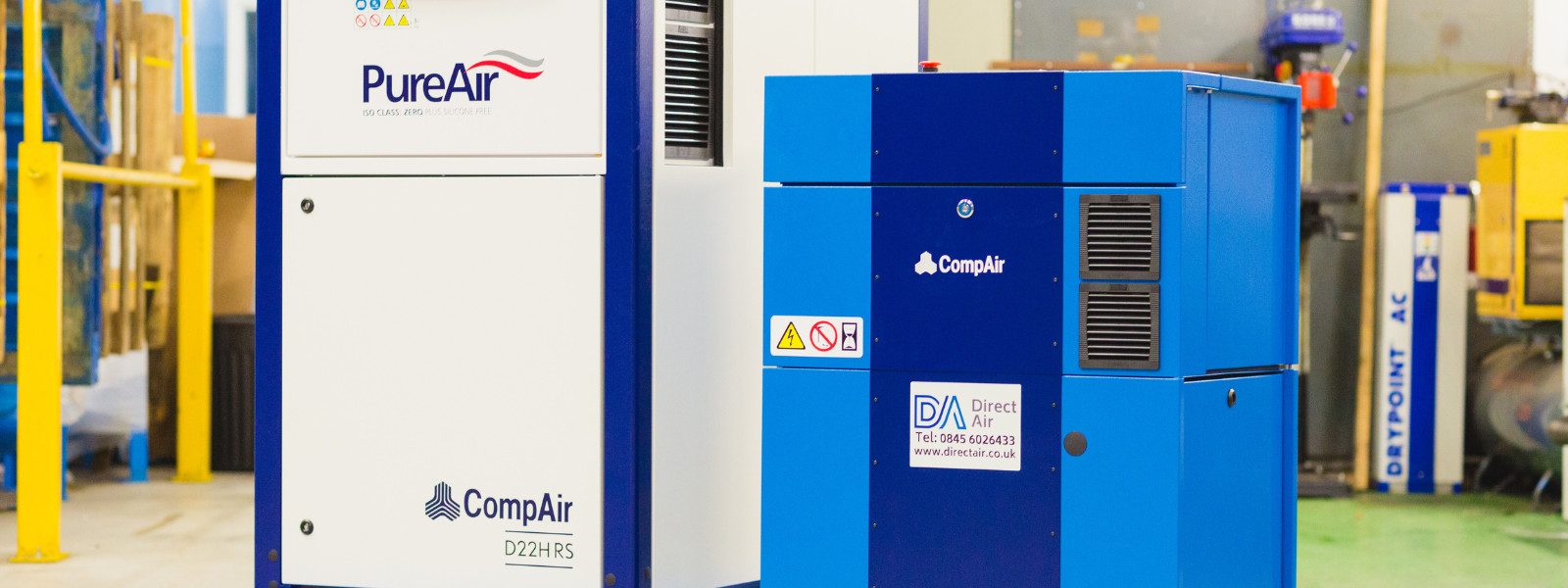
Understand what really matters when selecting an air compressor that fits your business.
Let’s face it, compressed air might not seem all that exciting. But if your air compressor goes down, suddenly everyone’s attention turns to it fast. It’s running the packaging line, powering the tools, and keeping things moving without much fuss, until it stops.
Choosing the right air compressor? That’s where it gets tricky. There are loads of options out there, and it’s easy to get overwhelmed by specs and sales pitches. But you don’t need to be an expert to make a good call.
Whether you’re replacing an old unit or buying new, this is about figuring out what you really need. What works for your setup, your team, and your budget without wasting time or money.
Why Getting the Right Compressor Matters
Picking the wrong size or type? That can mess things up. Too small, and your compressor’s constantly struggling, leading to breakdowns and extra call outs. Too big, and you’re burning energy (and cash) on equipment that’s just more than you need.
Get the right fit, though, and your whole operation feels it. Improved compressed air performance, fewer headaches, and equipment that lasts longer.
Here’s what that looks like in practice:
- Production running smoothly, every time
- Less downtime and emergency repairs
- An efficient system that doesn’t guzzle power or money
Key Considerations Before You Buy
1. What Are You Powering?
First off, think about what exactly you need to run. Whether it’s just basic air tools like spray guns or something more complex like automated lines, that’ll really shape the kind of air compressor you want. Most air tools don’t need crazy high pressure, but they do need a steady, continuous flow of air to keep going without those annoying hiccups.
If your setup’s on the heavy side like a busy factory floor or anywhere downtime isn’t an option, you’re probably better off with rotary screw compressors. They’re built to keep the air supply solid, no matter how demanding things get.
2. How Often Will It Run?
This one’s about the duty cycle, basically, how often your compressor’s going to be running. If you’re only firing it up every now and then, like in a small workshop, a reciprocating air compressor will likely do the job.
But if it’s going to be running all day, every day, then you want something tougher like a screw compressor or a direct drive air compressor. Those are designed to deliver constant compressed air reliably without burning out.
3. What Airflow and Pressure Do You Need?
Here’s where it pays off to know your numbers. Ask yourself: how much air do my tools and machines really use?
- Cubic feet per minute (CFM) is how much air volume you need.
- Bar tells you the air pressure.
Put those together and you get the air compressor capacity you actually require. The key is picking a compressor that can deliver steady airflow and keep the right air pressure even when things get busy.
4. Is Air Quality a Concern?
This depends on your industry. If you’re in food & beverage, pharma, or anywhere super sensitive, you’ll need oil free compressors, you just can’t risk oil contamination in your compressed air systems.
For most other industrial uses, lubricated air compressors are a great option and usually last longer. Just remember to add in air dryers and filtration to keep moisture and dirt out of your pressurised air. Clean air means happier machines.
5. Where Will It Be Installed?
And finally, where’s this equipment going to live? Is it in a dusty warehouse, a neat and tidy lab, or outside in a shed? That matters because temperature, ventilation, and noise all come into play.
Bigger sites might want a full setup, multiple compressors, storage tanks, and smart controls. That way you have enough stored air to handle peaks, and everything runs smooth without surprises.
Types of Air Compressors Explained
Reciprocating Compressors
Commonly found in workshops, these are ideal for intermittent use and smaller jobs. They use a belt drive system to compress atmospheric air into stored compressed air.
Rotary Screw Compressors
A mainstay in manufacturing, these are powerful air compressors that are reliable for high usage. Ideal when you’re using most air tools across shifts and need steady output.
Oil-Free Options
For quieter operations or clean environments, oil-free models offer peace of mind. They’re compact and require less frequent maintenance but can be more expensive upfront.
Direct Drive vs Belt Drive
Direct drive compressors are quieter and more efficient for continuous use, while belt drive air compressors are simpler to service and often more affordable.
Sizing and Storage
Choosing the right compressor size is about matching capacity to need. Understanding air compressor capacity is key, too small, and you’ll struggle with performance. Too large, and you’re overpaying.
Look at your air volume needs and ensure your tank size supports your peak demand. A well-sized storage tank can act as a buffer, improving performance and extending the life of your system.
A professional compressed air audit from one of our sales engineers is the best way to evaluate whether your current setup is meeting your needs, or if a new air compressor is required to deliver air more efficiently.
Why Work With Direct Air?
With decades of experience delivering industrial air compressors, Direct Air is your partner for end-to-end support. From expert consultation to installation and servicing, we help you find a solution tailored to your environment, your industry, and your business goals.
Final Thoughts
There’s more to selecting an air compressor than picking something that fits your budget. You need to know how much compressed air you’ll use, what tools you’re powering, and what the long-term demands look like.
Let us help you make the smart choice. Whether you need advice on air compressor size, a workshop compressor, or a full compressed air system, Direct Air has you covered.
Get in touch today and take the first step towards a smarter, more reliable air solution.