
Your compressed air system could be using more energy than you realise, but where is that energy actually going and what can you do about it?
Air leaks: energy you’re paying for but not using
Leaks are one of the most common sources of wasted compressed air.
A single small leak might not seem particularly significant, but across a large compressed air network, multiple leaks can quickly add up. Your compressors then have to work harder and run for longer to maintain the required system pressure.
Leaks can develop around pipework connections, hoses, fittings, valves and points of use, and they’re not always easy to identify in a busy production environment.
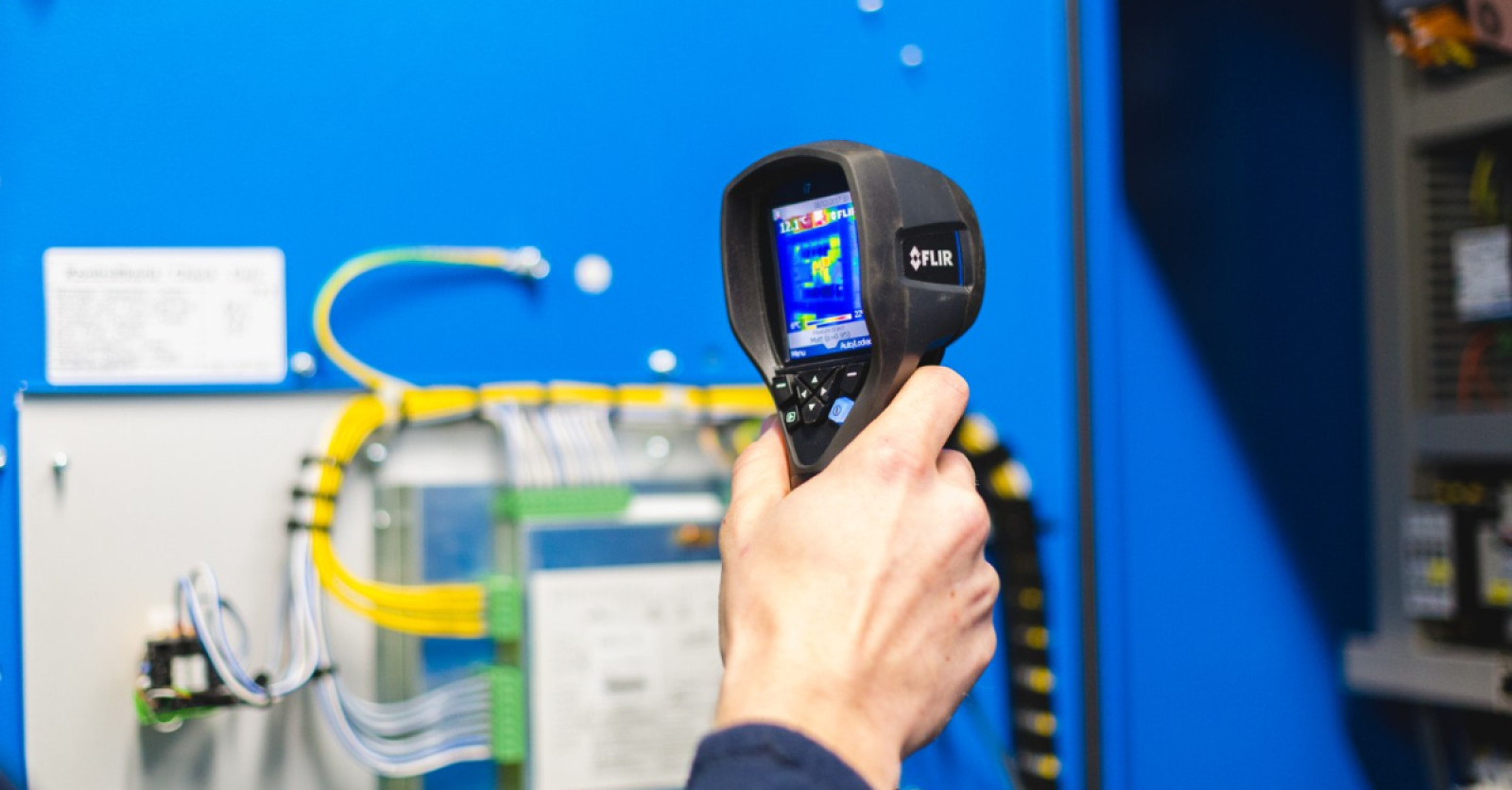
Regular leak detection can help locate these losses so repairs can be prioritised based on their potential impact.
Are you generating more pressure than you actually need?
It can be tempting to increase compressor pressure when equipment at the furthest point of the system isn’t receiving enough air.
But increasing the pressure at the compressor affects the whole system, not just the area experiencing the problem.
The issue could instead be caused by a pressure drop elsewhere in the network. Before increasing system pressure, it’s worth understanding what pressure your processes actually require and what is happening between the compressor room and the point of use.
Reducing unnecessary pressure can help reduce the amount of energy required to generate your compressed air.
What happens when demand drops?
Compressed air demand rarely stays the same throughout the day.
Production schedules, shift patterns, breaks, weekends and changes in machinery can all affect how much air a site needs. The compressors, however, need to respond efficiently to those changes.
If demand falls but compressors continue running unnecessarily or spend long periods running unloaded, energy is still being consumed without the same amount of useful compressed air being produced.
Understanding your actual demand profile can help identify these periods and whether the system is responding effectively.
Are your compressors working together?
Sites with multiple compressors have another factor to consider: how the machines are controlled.
Having several compressors doesn’t automatically mean they are operating efficiently as a system.
If compressors are starting, stopping, loading and unloading without effective sequencing, you could have more capacity running than the site actually needs at certain times.
The aim should be for the compressor system to respond to demand as efficiently as possible rather than simply having every machine available and running.
Could you be making better use of the heat you’re generating?
Compressors generate heat as part of the compression process, and in many installations that heat is simply discharged.
Depending on the compressor and the requirements of the site, there may be an opportunity to recover some of this heat and use it elsewhere.
Potential applications can include process heating, building heating, hot air heating or heating water, helping businesses make better use of energy that would otherwise be lost.
Do you know what your compressed air system is actually doing?
It’s difficult to improve a compressed air system without first understanding how it is performing.
Data logging and flow monitoring can provide a clearer picture of air demand, pressure and compressor operation over time. Leak detection can identify where compressed air is being lost, while a wider energy audit can help bring these findings together and highlight opportunities for improvement.
The answer isn’t always a new compressor.
Sometimes it’s repairing leaks. Sometimes it’s reducing pressure. Sometimes it’s improving the distribution system or changing how existing compressors are controlled.
By looking at the complete compressed air system, you can make decisions based on what your site actually needs rather than assumptions.
If you’d like to understand where your compressed air energy is going, speak to the Direct Air team about compressed air monitoring and energy efficiency.