
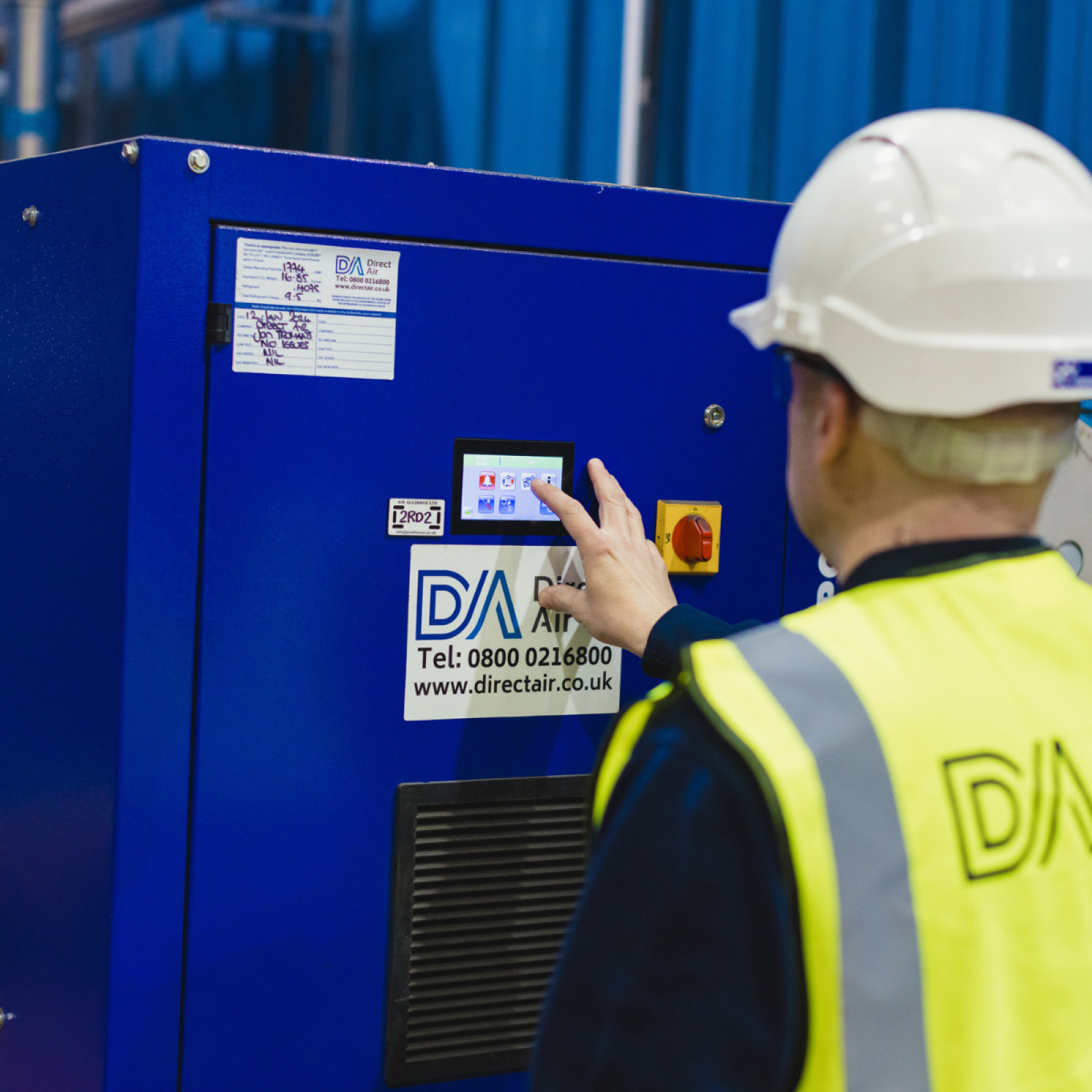
Most compressor problems don’t happen overnight.
They develop gradually. Energy use creeps up. Pressure becomes inconsistent. Performance drops. By the time a fault appears, the underlying issue has often been building for weeks.
Regular maintenance helps prevent this. A well-maintained compressed air system runs more efficiently, avoids unnecessary downtime, and protects the lifespan of your equipment.
This guide outlines the simple checks and service practices that help keep your compressor running reliably.
Why Compressor Maintenance Matters
Air compressors operate under constant pressure, heat, and mechanical load. Over time, components naturally wear.
Without routine maintenance, small issues can quickly become expensive problems.
Take a blocked intake filter as a simple example. If filters become blocked, airflow is restricted and the compressor works harder to produce the same output. This increases energy consumption, applies unnecessary strain on the compressor and may cause failure.
Routine servicing prevents this chain reaction. Clean filters, correct lubrication, and properly maintained components help compressors run cooler, consume less energy, and deliver consistent pressure.
Daily and Weekly Checks
Many compressor issues can be avoided with a few quick routine checks.
Drain Condensate from the Air Receiver
Compressed air naturally produces moisture. As air cools after compression, water condenses and collects in the air receiver tank.
If condensate is not removed regularly, it can cause corrosion inside the tank and allow moisture to travel further into the system.
The receiver should be drained daily, either manually or through an automatic drain system. Even with automatic drains installed, it’s worth checking periodically to ensure they are working correctly.
Check Air Filters
Air filters prevent dust and debris from entering the compressor.
If filters become blocked, airflow is restricted and the compressor works harder to produce the same output. This increases energy consumption and unnecessary strain on the system.
Filters should be checked regularly and replaced when they show signs of contamination or restriction.
Check Oil Levels (Oil-Lubricated Compressors)
Oil-lubricated compressors rely on correct oil levels to reduce friction and manage heat inside the compression element.
Low oil levels can lead to excessive wear and overheating.
Check the oil sight glass when the compressor is shut down and pressure has stabilised. If levels are low, top up using the correct manufacturer-approved oil.
Monthly Maintenance Checks
Alongside daily inspections, there are a few additional checks that should be carried out periodically.
Inspect Cooling Systems
Compressors generate significant heat during operation. Cooling systems help remove this heat and keep temperatures within safe operating limits.
Dust and debris can build up on coolers and radiators, reducing their effectiveness. Cleaning these surfaces helps maintain efficient cooling and prevents overheating.
Check Belt Condition and Alignment
For belt-driven compressors, the condition and alignment of the belts should be checked regularly.
Loose or worn belts can slip, reducing efficiency and causing uneven wear. Misalignment can also shorten the lifespan of bearings and other components.
Replacing worn belts early helps avoid larger mechanical issues later on.
Test Safety Valves
Safety relief valves are a critical protection feature within any compressed air system. They prevent pressure from exceeding safe limits.
These valves should be checked periodically to ensure they open and reseat correctly.
Scheduled Servicing
While routine checks can be handled in-house, professional servicing remains essential.
Most compressors require a full service based on operating hours rather than calendar dates. In many cases, this falls somewhere between 2,000 and 4,000 running hours, depending on the compressor type and working environment.
A professional service typically includes:
- Oil and filter changes
- Inspection of key internal components
- Separator replacement where required
- System performance checks
- Inspection of valves and seals
Regular servicing ensures the compressor continues operating at peak efficiency while preventing unexpected failures.
Common Warning Signs to Watch For
Even with good maintenance, it’s important to recognise early signs of potential issues.
Unusual Noise or Vibration
Changes in sound or vibration can indicate worn bearings, loose components, or mechanical imbalance.
These issues are usually easier and cheaper to fix when identified early.
Pressure Drop or Inconsistent Air Supply
If the compressor struggles to maintain pressure, the cause may be restricted filters, leaks within the system, or control issues.
Air leaks are a common problem in compressed air systems and can waste a significant amount of energy if left unresolved.
Excessive Heat or Shutdowns
Overheating can occur if cooling systems are obstructed, oil levels are low, or ventilation around the compressor is poor.
Repeated shutdowns or high temperature alarms should always be investigated.
When to Call in a Specialist
Basic inspections can be handled by site teams, but experienced engineers often spot problems before they become visible faults.
Professional service visits also allow for system-wide checks that go beyond the compressor itself, including leak detection, efficiency checks, and air quality assessments.
These services help improve reliability and can significantly reduce energy costs across the compressed air system.
The Cost of Poor Maintenance
Routine servicing is predictable. Breakdowns are not.
When a compressor fails unexpectedly, the costs often go far beyond the repair itself. Production downtime, emergency callouts, and damage to other equipment can quickly add up.
Poorly maintained compressors can also use significantly more electricity than well-serviced systems. Since compressed air is already one of the most energy-intensive utilities in a facility, efficiency losses can become expensive very quickly.
A structured maintenance programme helps avoid these issues while keeping your system operating efficiently.
Final Thoughts
Air compressor maintenance is about preventing problems before they affect production.
Simple routine checks combined with scheduled professional servicing keep systems running reliably, reduce energy waste, and extend equipment life.
If you’d like support maintaining your compressed air system, the Direct Air team can help with planned servicing, system inspections, and ongoing maintenance programmes designed to keep your equipment performing at its best.